Birth Control Articles
YOU CAN STOP BIRTH CONTROL WITHOUT SCARY SYMPTOMS

Fatigue is a general symptom that usually is a secondary symptom to a larger issue. Feelings associated with fatigue are low energy, muscle weakness, irritability, exhaustion, and low motivation. Hormones are essential in the body to regulate multiple functions. When hormones are imbalanced, fatigue can result. Because many different aspects regulate hormones, we will discuss various lifestyle factors that impact hormones and fatigue.

According to a recent 2021 study, 25% of women ages 15 - 44 that use contraception report that they chose oral pills as their method. Many women are administered the birth control pill to not only prevent pregnancy but also to regulate periods, treat endometriosis, and reduce acne. It is important to know the short term birth control effects on the body to know if taking it is right for you.

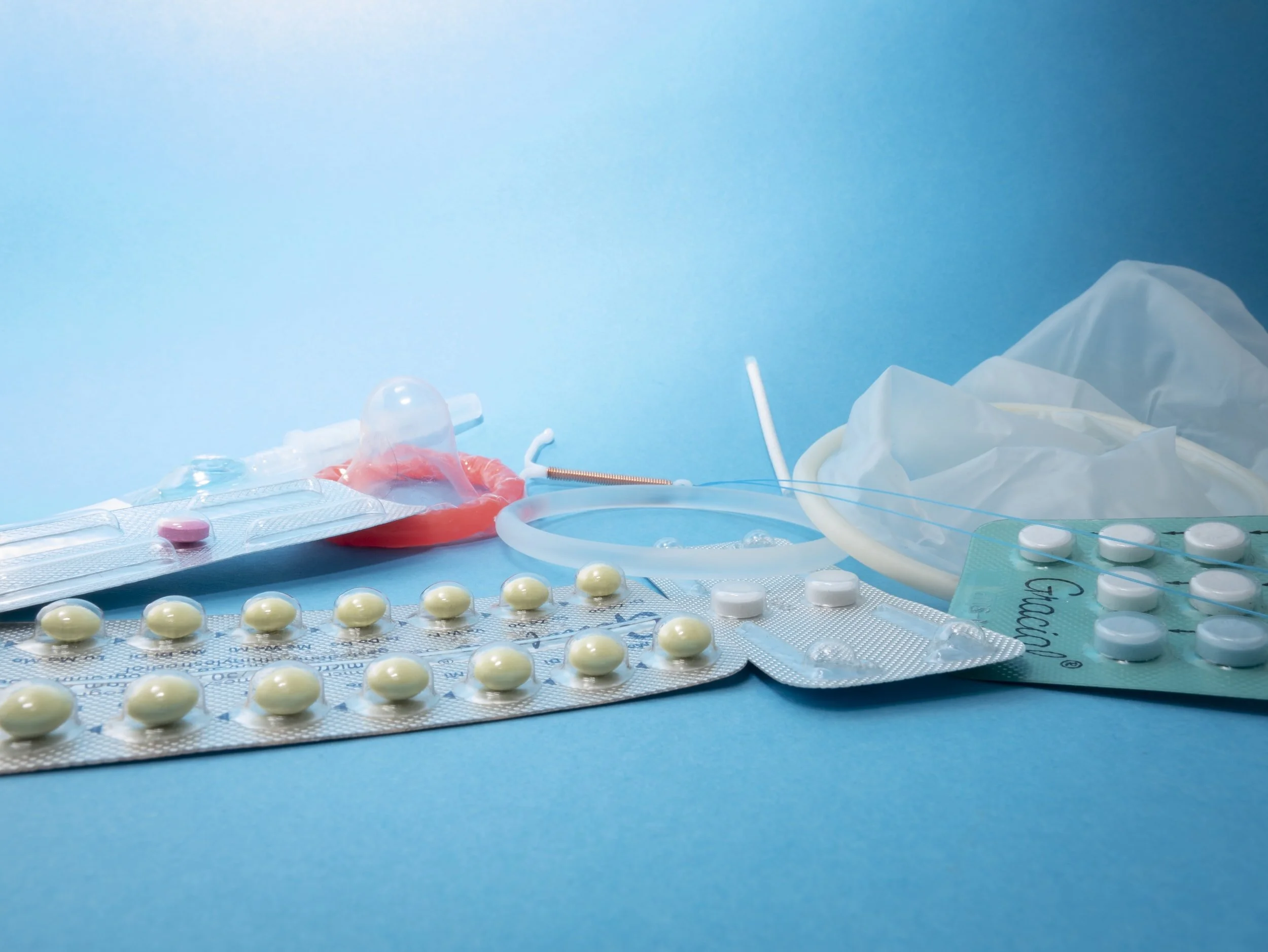
The pill, hormonal IUD, vaginal ring, arm insert, injections, and the patch are all hormonal birth control options that will stunt your natural hormone production in the body to prevent pregnancy. Many complications can occur while taking these hormonal methods, so instead many women opt to take hormone-free birth control. These include the copper IUD, sponge, condoms, diaphragm, and the fertility awareness method. All of these methods use a more physical approach to prevent pregnancy rather than a hormonal approach. Here we will discuss the benefits of hormone-free birth control.

The pill, hormonal IUD, vaginal ring, arm insert, injections, and the patch are all hormonal birth control options that will stunt your natural hormone production in the body to prevent pregnancy. Many complications can occur while taking these hormonal methods, so many women opt to take nonhormonal methods. These include the copper IUD, sponge, condoms, diaphragm, and the fertility awareness method. All of these options use a more physical approach to prevent pregnancy rather than a hormonal approach. Here we will discuss the benefits of nonhormonal birth control methods.

According to a recent 2021 study, 25% of women ages 15 - 44 that use contraception report that they chose oral pills as their method. Many women are administered the birth control pill to not only prevent pregnancy but also to regulate periods, treat endometriosis, and reduce acne. It is important to ask how do birth control pills work because they alter many natural functions in the body.

Hormonal birth control methods include the oral pill, ring, birth control implant, hormonal IUD, skin patch, and injections. Hormonal birth control is a means of protecting against pregnancy by administering artificial forms of estrogen and progesterone or just progesterone in the body to elicit a false sense of pregnancy. This will cause the cervical mucus to thicken so sperm have a harder time getting through to the uterus, and additionally you will not ovulate so no egg is released. Your body learns to trust this administration of the artificial hormones and it will close off your body’s natural brain-ovary communication to produce hormones. After using birth control long-term, you become dependent on not being able to regulate your hormones naturally. When you stop using birth control, the body goes through a tough transition when your ovaries learn to produce their own hormones. For some women, this transition to regulating hormones naturally may only take a few weeks, and for others, it’ll take a few months. Due to this, there are some risks and side effects of stopping birth control use. Here we will discuss them.

Birth control comes in many forms and has a variety of different hormone ratios. Its purpose is to artificially administer different hormone levels on each day of the month to mimic a normal menstrual cycle. Usually, without birth control, the brain communicates with the ovaries to produce the correct amount of hormones per day to create a menstrual cycle. Through use of birth control, this brain-ovary connection is separated, and the ovaries do not produce hormones for the duration of the time birth control is administered. This is because the body is receiving artificial forms of hormones through birth control. During this time, the egg is never released from the ovary and ovulation never occurs.
Many women who choose to partake in going off birth control can often go through a difficult transition phase because now your body has to relearn how to secrete the proper hormones on its own. Resuming normal hormone balance can become a difficult task for the body at first. When going off birth control, there is potential for symptoms to reappear that originated before birth control use or even new symptoms can arise too (I know, it’s not fair!). The good news is that there are many ways to support this transition from stopping birth control by utilizing nutrition and lifestyle changes to aid your hormone regulation.

Many women who choose to partake in going off birth control can often go through a difficult transition phase because now their body has to relearn how to secrete the proper hormones on its own.
Hair loss from birth control is a common symptom for those who have made the decision to transition off of hormonal birth control. This can occur after stopping birth control due to something called androgen rebound. This is when your androgen levels can raise and even become elevated after being suppressed by the pill. Your androgens are your testosterone, DHEA, DHT. Increasing androgens cause hair loss because DHT is an opponent of hair follicles and the more it is produced the more it will create hair loss and decrease the size of the hair follicle.

It is common to see breakouts and acne on your face right before your period, but that does not mean it is normal or something you need to struggle with every month. Our skin is like a window as to what is going on internally. It’s important to understand the root cause of why is this presenting? Many women struggle with acne due to a diagnoses of PCOS. One of the three diagnostic traits of PCOS is high androgen hormone levels. These androgens include testosterone and DHEA which are linked to increased acne production. Here are some other factors for why you may have hormonal acne:
Elevated estrogen or testosterone (or both)
Poor liver detoxification, meaning your liver isn’t breaking down and clearing hormones as well as it could be
Gut issues like bacterial overgrowth, dysbiosis (an imbalance of good and bad bacteria), gut inflammation, or constipation (you’re not eliminating hormones so they recirculate).
Many believe birth control to be a gold standard for managing hormones and reducing hormonal acne, but in fact this method is just a bandaid. Once you stop birth control, the acne will come back and so will your originally imbalanced hormones. Luckily there are many natural solutions to help prevent acne before your period that take into account each of the mentioned possible root causes.

Ovulation is the main event of the menstrual cycle. It occurs during the halfway point in the menstrual cycle for one day. Ovulation is when the egg gets released from the ovary into the fallopian tube to prepare for fertilization and pregnancy. Progesterone is the hormone that promotes pregnancy and ovulation, and if progesterone is low, then you may not be ovulating (pro meaning to upgrade and gesterone meaning pregnancy).

Birth control works by administering artificial forms of estrogen and progesterone in the body to make it think that you are pregnant and will therefore not ovulate. Your body learns to trust this administration of the artificial hormones and it will close off your body’s natural brain-ovary communication to produce hormones. After lots of time of using birth control, you become dependent on not being able to regulate your hormones naturally, so when you stop using birth control you’ll find hormonal imbalances to be common. For some women, this transition to regulating hormones naturally may only take a few weeks, and for others, it’ll take a few months.
It is important to understand the 4 phases of the entire menstrual and what is going on in each one. The luteal phase is the last phase of the cycle. Learning about what is the luteal phase can help you understand your body and your hormones better.
It is important to understand the 4 phases of the entire menstrual and what is going on in each one. The luteal phase is the last phase of the cycle. Learning about what is the luteal phase can help you understand your body and your hormones better.
It is important to understand the 4 phases of the entire menstrual and what is going on in each one. The luteal phase is the last phase of the cycle. Learning about what is the luteal phase can help you understand your body and your hormones better.

Your period is a vital sign of what is going on with your overall health & hormones. Let’s talk about short periods. A short period is one that lasts for less than 3 days. You could also be experiencing a short cycle (time from your period until your next period). A short cycle would be less than 21 days. You could also see light pink blood instead of bright or dark red. A normal period is 3-7 days and a normal cycle is 21-35 days (although I prefer to see it around 24-25 days). So why could you be experiencing a short period?

A long menstrual cycle is characterized by being longer than 35 days or more. Day 1 counts as the first day of a full bleed and the cycle are counted up until the day before your next period. A healthy cycle is reliant on stable hormone levels. If one hormone is elevated or low, this will send a cascade of off levels for the rest of the cycle. If you are not getting a period for three months or more, then it’s important to start digging a little deeper because this is characterized as amenorrhea and can have detrimental long term health problems. Here are 9 possible causes of a long menstrual cycle - and you could have more than one!

A heavy period after stopping birth control is something that you could experience. Hormonal birth control works by administering synthetic forms of estrogen and/or progesterone in the body to make it think that you are pregnant and will therefore not ovulate. Your body learns to trust this administration of the synthetic hormones and it will close off your body’s natural brain-ovary communication to produce hormones. When you stop using birth control you’ll find hormonal imbalances to be common because your body’s hormonal communication system is ‘waking up’ again. For some, this transition to regulating hormones naturally may only take a few cycle, and for others, it’ll take a a bit long. One of the side effects of taking longer to adapt after stopping birth control is a heavy period.

Post birth control syndrome is a collection of possible symptoms that can occur for about 4-6 months after cessation of birth control. The reason for the symptoms is because your body is attempting to restore its natural ability to produce hormones. The hormones affect so many different things around the body other than just your cycle. Birth control actually disengages the ovaries from doing their job in hormone production and regulation so this is why when you stop using it you can get post birth control syndrome. Many of the signs of post birth control syndrome can be due to imbalances involving androgens, estrogen/progesterone, and cortisol.
A common question is how long will it take for your hormones to balance after stopping birth control? The answer: it depends. For some, your period may return normally your next cycle. For others, it may take some time before your hormones feel balanced. When working with clients transitioning off of birth control I recommend giving your body at least three months before completing hormone testing to give your hormonal system a chance to wake back up and to get a better picture of how your body is producing hormones without birth control.
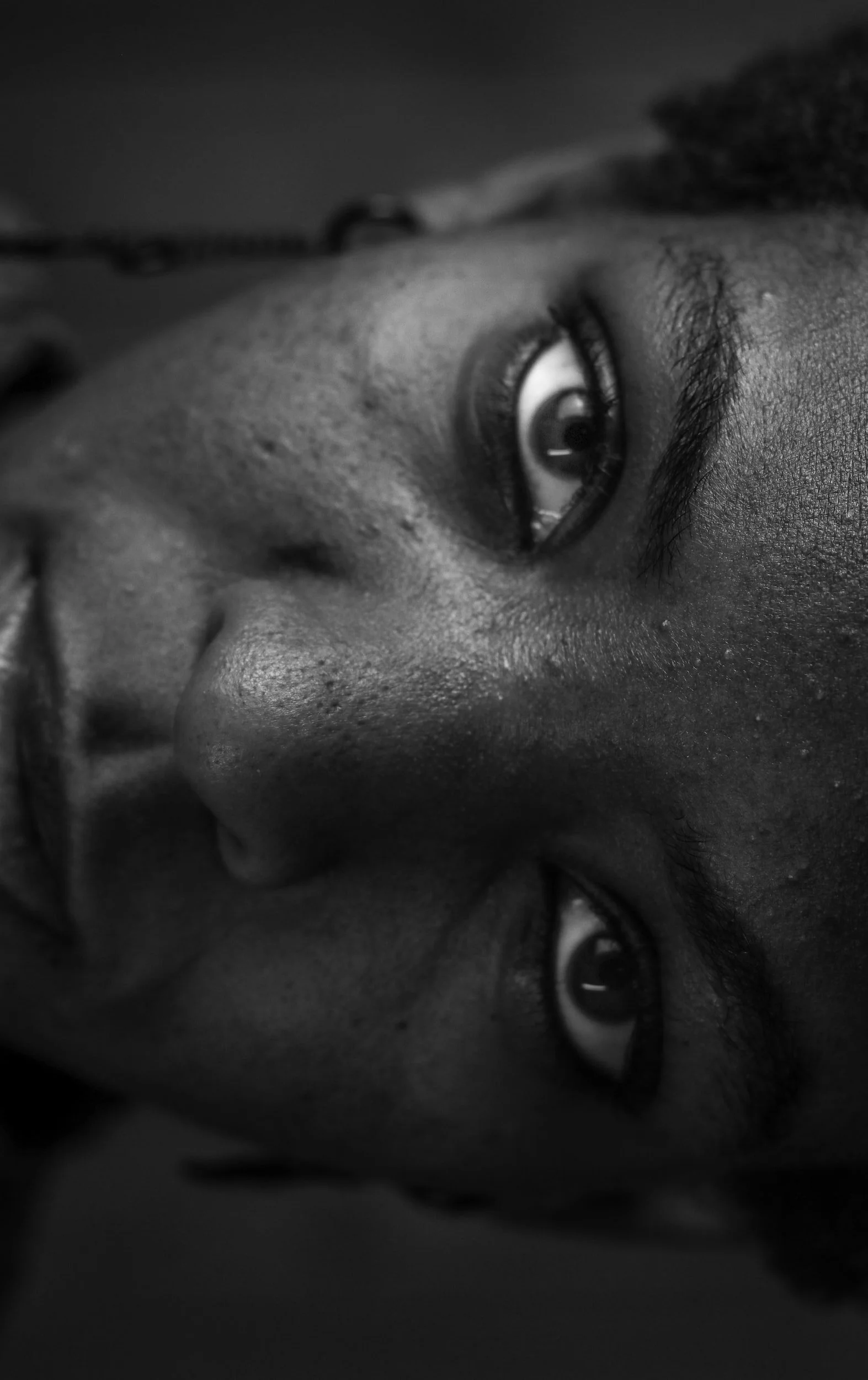
In each pore of our skin, we have sebaceous glands that produce sebum, an oil-like liquid, which helps to moisturize and protect our skin. When too many dead skin cells collect on the top of the skin in conjunction with high amounts of sebum, this can create a clog in our sebaceous glands and will result in inflammation. Our body will respond to this inflammation by sending white blood cells to the site of the clog which forms the white-headed pimples called acne. Hormones can have a strong effect on the amount of sebum is produced and our inflammatory response.

Birth control comes in many methods and hormone ratio types. Its purpose is to artificially control your hormones to release on a schedule every day of each month. The brain to ovary connection is separated, and the body learns to trust the birth control’s administration of hormones. Birth control makes the body have a false sense of pregnancy to prevent ovulation.

Birth control comes in many methods and hormone ratio types. Its purpose is to artificially control your hormones to release on a schedule each month. The brain ovary connection is separated, and the body learns to trust the birth control’s administration of hormones. Birth control makes the body have a false sense of pregnancy to prevent ovulation. Many women who choose to partake in stopping birth control can often go through a difficult transition phase because now your body has to relearn how to secrete the proper hormones. Resuming normal hormone balance can become a difficult task for the body at first. When stopping birth control, there is potential for symptoms to reappear that originated before birth control or new symptoms can arise too (I know, it’s not fair!). The good news is that there are many ways to support this transition from stopping birth control by utilizing nutrition and lifestyle changes to aid your hormone regulation.