
Endometriosis 1:1 Coaching
LOOKING FOR 1:1 ENDOMETRIOSIS NUTRITION & LIFESTYLE SUPPORT?
I help you ease period pain & endo symptoms through individualized nutrition & lifestyle shifts tailored to your unique body.
Lighter periods after small nutrition shifts!
“I was diagnosed with endometriosis and wanted to work with a dietitian to refine my diet to help balance my hormones better. I really loved Krista’s holistic approach to nutrition, which is exactly what I was going for! I have previously seen other dietitians and Krista is the first one that incorporated functional medicine philosophies into her practice! Krista helped me tweak what I was already doing to help make sure I was on the right track for my body. She was very easy to work with and her suggestions were very easy to implement into my lifestyle. Since making the small shifts in my diet, my periods have become so much lighter! I feel and see a difference and I am so grateful! I have continued to incorporate her suggestions and look forward to further healing my body. Never stop searching for the perfect team of people to help you go on your health journey and always listen to your body first.”
- Lucy
At-Home Hormone Testing for Endometriosis
INCLUDES DUTCH HORMONE TEST + 1-HOUR RESULTS REVIEW SESSION W/ PERSONALIZED NEXT STEPS
Heal Your Period
ONLINE COURSE + COMMUNITY

ADD-ON: 1-HOUR COACHING CALL
ADD-ON: DUTCH HORMONE TEST + 1:1 Review
add DUTCH hormone test & coaching call with Krista for individualized support
Guides & Toolkits



Have questions?
About Endometriosis
Effecting about 11% of females, endometriosis is a disease of menstruation. It is a hormonal inflammatory condition where estrogen-dependent uterine tissue forms somewhere else in the body, usually somewhere in the pelvic region, or in any of the spaces between the bladder, uterus, vagina, and rectum. A way to remember endometriosis is that “endo” means inside and “metrium” means uterus. The extra tissue causes inflammation which leads to a lot of pain and infertility.

Affecting about 11% of females, endometriosis is a disease of menstruation. It is a hormonal inflammatory condition where estrogen-dependent uterine tissue forms somewhere else in the body, usually somewhere in the pelvic region, or in any of the spaces between the bladder, uterus, vagina, and rectum. A way to remember endometriosis is that “endo” means inside and “metrium” means uterus. The extra tissue causes inflammation which leads to a lot of pain and infertility.

Affecting about 11% of females, endometriosis is a disease of menstruation. It is a hormonal inflammatory condition where estrogen-dependent uterine tissue forms somewhere else in the body, usually somewhere in the pelvic region, or in any of the spaces between the bladder, uterus, vagina, and rectum. A way to remember endometriosis is that ‘endo’ means inside and ‘metrium’ means uterus. The extra tissue causes inflammation which leads to a lot of pain and infertility. The condition is associated with estrogen dominance because the tissues in endometriosis often contain many estrogen receptors on them. Digestive issues are another problem with endometriosis because of a failure to eliminate excess estrogen. The goal of endometriosis is to reduce pain and inflammation because there is no cure. Here are 9 supplements for endometriosis.
The Latest Endometriosis Articles
Trying to conceive with endometriosis can feel like you’re navigating a maze without a map. Maybe you’ve heard it’s “impossible” to get pregnant naturally, or you’ve been told to try IVF right away. But the truth is—you have more options than you might think. While endometriosis can make conception more challenging, many people with endo go on to conceive naturally or with the right support. Whether you’ve had a diagnosis for years or are newly navigating what it means for your fertility, this post will walk you through what’s really going on with endometriosis and fertility—and what you can do about it.

Affecting 11% of the population, endometriosis is a condition where bits of tissue similar to the endometrium (uterine living) grow in places other than inside the uterus. The extra tissue that grows elicits a high inflammatory response resulting in severe period pain. This tissue is responsive to estrogen, so as hormone levels fluctuate throughout the month this can affect your pain. Diagnosis is not simple – it requires laparoscopic surgery, but if you experience debilitating period pain it’s important to bring this up with your doctor. The goal of endometriosis is to reduce pain and inflammation because there is no cure. There are many natural remedies that you can utilize when you want to reverse endometriosis naturally.

There are many reasons why periods hurt. While period cramps are definitely common, that doesn’t mean that they are normal. Any sort of pain is a sign from your body to investigate that something is not working properly or that something is out of balance.
Endometriosis is an extreme and intense form of period pain, and it requires a medical diagnosis and treatment. This condition has life-disrupting pain characterized by a growth of uterine tissue somewhere else in the body. To help uncover why periods hurt you need to learn about hormone imbalances and stress. These are the two main causes for why periods hurt.

There are many reasons for heavy painful periods. While period cramps and heaviness are definitely common, that doesn’t mean that they are normal. Any sort of pain is a sign from your body to investigate an imbalance in the body.
Endometriosis is an extreme case of period pain and requires a medical diagnosis. This condition has life-disrupting period pain and heaviness characterized by a growth of uterine tissue somewhere else in the body.
A heavy period consists of...
1. A period lasting longer than 7 days
2. Losing more than 80 mL of blood per cycle (or 16 regular tampons or pads)
3. Changing tampons or pads every hour or two
4. Needing to double up on period protection products
5. Having to wake up to change your tampon or pad in the night
6. Planning activities around your heavy period
7. Blood clots the size of a quarter or bigger
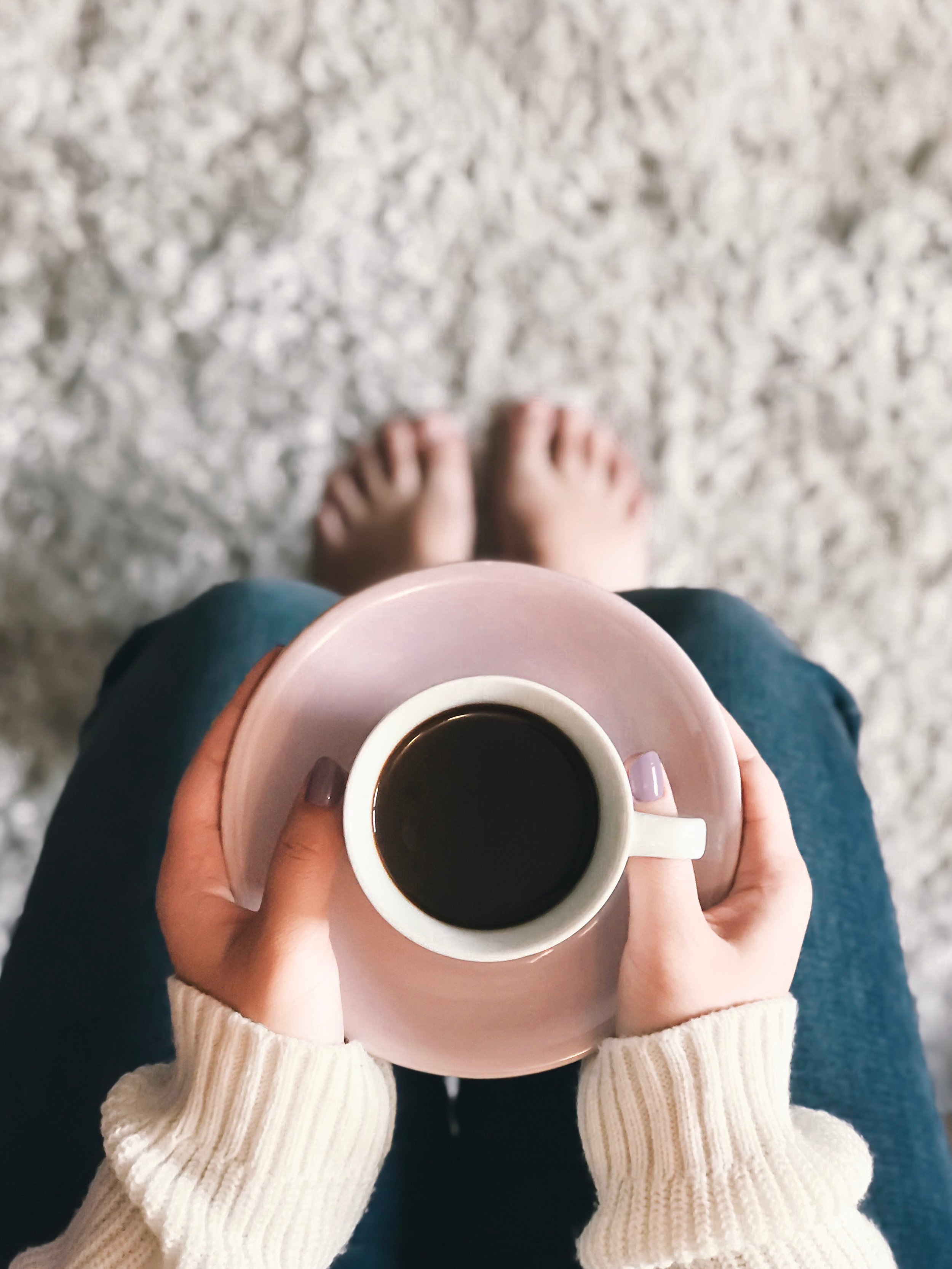
There are many reasons for painful periods. While period cramps are definitely common, that doesn’t mean that they are normal. Any sort of pain is a sign from your body to investigate that something is not working properly or something is out of balance. Though many women love to curl up on the couch with a certain comfort snack to help cope with the pain, many of these beloved snacks actually may contain foods that make cramps worse, and your overall period experience worse. While you can definitely enjoy these foods, it’s important to understand which foods may make your cramps worse so you can make connections between the foods you eat and the symptoms you experience.

There are many reasons for period pain. Examples of period pain include menstrual cramps headaches, tender breasts, and even back pain. While these types of pain are definitely common, that doesn’t mean that they are normal. Any sort of pain is a sign from your body to investigate that something is not working properly or something is out of balance.
Endometriosis is an extreme case of period pain and requires a medical diagnosis. This condition has life-disrupting period pain characterized by a growth of uterine tissue somewhere else in the body.

It is important to understand the 4 phases of the entire menstrual and what is going on in each one. The luteal phase is the last phase of the cycle. Learning about what is the luteal phase can help you understand your body and your hormones better.

It is important to understand the 4 phases of the entire menstrual and what is going on in each one. The luteal phase is the last phase of the cycle. Learning about what is the luteal phase can help you understand your body and your hormones better.
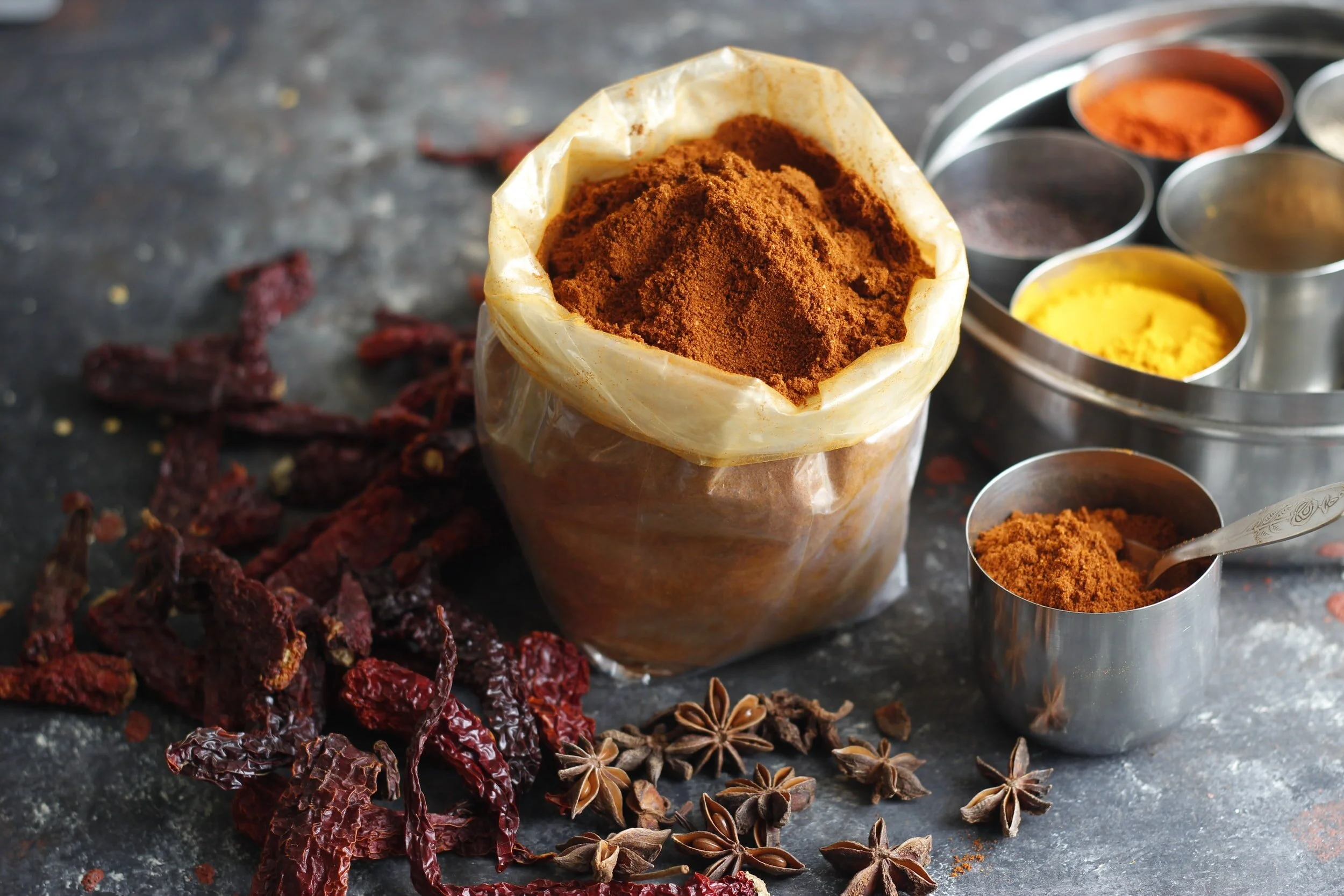
Period nausea can be a symptom you experience before or on your period. The period nausea is triggered by the elevation in prostaglandins, which are inflammatory compounds that increase right before your period to help with shedding the uterine lining (your period). High prostaglandins can mean more period pain and can also contribute to period nausea. Imbalances in estrogen or progesterone can lead to prostaglandin imbalances because all the reproductive hormones are connected. Stress is also a predictor of prostaglandins, because cortisol can be inflammatory as well.
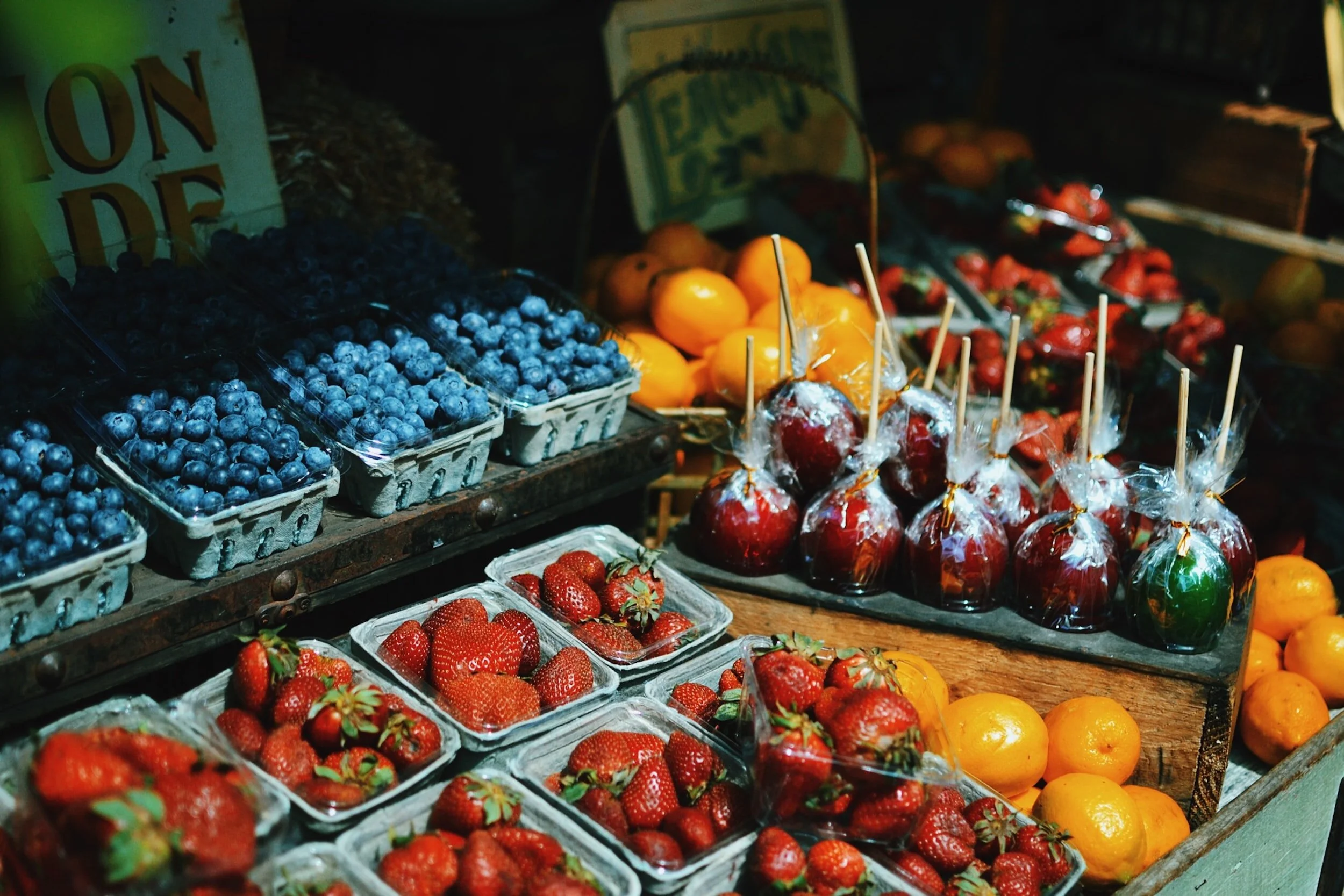
Estrogen is a growth hormone responsible for the development and maintenance of the female reproductive system. It is released in high amounts during the follicular phase of the menstrual cycle which is the first 2 weeks leading up to ovulation. Estrogen is released from the ovaries, fat tissue, and adrenal glands because it has a connection between fertility and body fat composition. The main functions include building up the uterine wall for the menstrual cycle, stimulating the growth of the egg follicle, developing breast tissue, stabilizing bone density, and controlling the metabolism of glucose and lipids.
Imbalanced levels of estrogen can be harmful because it can cause irregular periods,
tender breasts, PMS, bloating, constipation, anxiety, mood swings, and headaches. Over time, these symptoms can worsen and in some cases can lead to hormonal cancers. Estrogen and progesterone work on a balance, where a high level of one will cause a low level of the other. Here are the 3 patterns: high estrogen and normal progesterone, high estrogen and low progesterone, normal estrogen, and low progesterone. You never want your estrogen to be too high or too low because all your hormones work on a balance, and when one goes too high/low then other hormones have to make up for it.

Having a toolkit of hacks for your period cramps can make that time of the month more fulfilling. Remember, while period cramps are definitely common, that doesn’t mean that they are normal. Any sort of pain is a sign from your body to investigate that something is not working properly or something is out of balance.

It is important to understand the 4 phases of the entire menstrual and what is going on in each one. The luteal phase is the last phase of the cycle. Learning about what is the luteal phase can help you understand your body and your hormones better.