Gut Health Articles

Did you know that your gut health plays a huge role in hormone production and metabolism Your gut is responsible for nutrient absorption, detoxification, and immune function, all of which impact progesterone levels and overall fertility. If your gut isn’t functioning optimally, your body may struggle to produce or use progesterone effectively—leading to irregular cycles, luteal phase issues, and difficulty sustaining a pregnancy. One of the best ways to assess how your gut is affecting your hormones is through the GI MAP test (a comprehensive stool analysis). This test can reveal gut infections, imbalances in bacteria, and inflammation markers that could be impacting your progesterone levels and fertility.

Recently gut health has become a hot topic where many people are realizing their digestive patterns are not normal and usually highly uncomfortable. After going so long with regularly painful stomach issues, constipation, nausea etc, it is important to dig deeper and figure out what is the root cause. The gut generally refers to the entire gastrointestinal tract from mouth to anus, but specifically, here the gut will refer to the intestines. The gut is a lot more important than most would expect. The gut relates to digestion, but also hormone balance, immunity, and mental health. Poor gut health can really shock the system because it is so connected with many other mechanisms in the body. Here we will discuss what to look for when asking what is good gut health?

Recently gut health has become a hot topic where many people are realizing their digestive patterns are not normal and usually highly uncomfortable. After going so long with regularly painful stomach issues, constipation, nausea etc, it is important to dig deeper and figure out what is the root cause. The gut generally refers to the entire gastrointestinal tract from mouth to anus, but specifically, here the gut will refer to the intestines. The gut is a lot more important than most would expect. The gut relates to digestion, but also hormone balance, immunity, and mental health. This why gut health is important and we should strive to improve our gut. Here we will discuss how to improve gut health.

Gut health is extremely important for hormone function, digestion, detoxing pathogens, and absorbing nutrients. The gut refers to the intestines in the digestive tract where absorption of nutrients occurs. A large indicator of gut health is intestinal permeability. The intestine or gut is where we absorb nutrients, and everything left behind will pass through the colon and exit the body as stool. The intestine is lined with a single cell wall called the lumen, which separates the inside of the intestine from the bloodstream. This cell wall is thin so that it is easy to absorb nutrients, and the cells are tightly packed, called tight junctions, to keep out anything that is not a nutrient. If the junctions loosen up, then the cell wall can become permeable and larger substances like toxins and undigested food can pass through into the bloodstream and cause damage. Luckily, there are many gut-healing supplements that promote tight junctions, improve the gut microbiome, and satisfy digestion.

Gut health is essential for hormone function, digestion, detoxing pathogens, and absorbing nutrients. Here, the gut refers to the intestines in the digestive tract where the majority of the absorption of nutrients occurs. The goal of gut health is to make our gut bacteria happy. Our gut is lined with a variety of healthy bacteria which aid in the digesting and absorption process. Though we do not want to have too much or too little of the healthy bacteria, and we also need a broad diversity of different kinds of healthy bacteria. Certain foods can negatively impact these gut bacteria, resulting in painful symptoms like constipation, bloating, gas, or diarrhea. Note that the worst foods for gut health mentioned here can still be included in a healthy diet regime. It is important to be aware of how frequently you are eating these foods to limit their consumption but there’s no need to eliminate them.

Gut health is essential for hormone function, digestion, detoxing pathogens, and absorbing nutrients. Here, the gut refers to the intestines in the digestive tract where absorption of nutrients occurs. The goal of gut health is to make our gut bacteria happy. Our gut is lined with a variety of healthy bacteria which aid in the digesting and absorption process. Though we do not want to have too much or too little of the healthy bacteria, and we also need a broad diversity of different kinds of healthy bacteria. Certain foods can negatively impact these gut bacteria, resulting in painful symptoms like constipation, bloating, gas, or diarrhea. Note that the worst foods for gut health mentioned here can still be included in a healthy diet regime. It is important to be aware of how frequently you are eating these foods to limit their consumption but there’s no need to eliminate them.

Recently gut health has become a hot topic where many people are realizing their digestive patterns are not normal and usually highly uncomfortable. After going so long with regularly painful stomach issues, constipation, nausea etc, it is important to dig deep and figure out what the root cause is. The gut is a lot more important than most would expect. The gut relates to digestion, but also hormone balance, immunity, and mental health. This why gut health is important and we should strive to improve our gut. Here we will discuss how to improve gut health by talking about how to form a gut-healing diet plan. The word diet here really just means eating pattern or eating style. It does not mean that this way of eating will cause weight loss, that is not the goal.

Gut health is extremely important for digestion, absorption of nutrients, stress levels, and mental health. Foods that contain probiotics help to maintain a healthy gut.
The intestines in our gut contain multiple tiny microorganisms, like bacteria, that are beneficial to improve the absorption of nutrients and defend against toxins. The balance of this bacteria is very important and it’s called the gut microbiome. Sometimes the good bacteria can decrease and the bad bacteria can increase, causing issues.
Probiotics help to support beneficial gut bacteria balance. The bacteria from the probiotics line the digestive tract and act as a defense against pathogens from passing through. Probiotics can help to reduce bloating, gas, and diarrhea by improving the bacteria balance in the intestines. Fermented foods are great probiotic food sources to help support a healthy gut microbiome. Fermentation is the process of a microorganism converting or breaking down a substance in a chemical reaction.

Recently gut health has become a hot topic where many people are realizing their digestive patterns are not normal and usually highly uncomfortable. After going so long with regularly painful stomach issues, constipation, nausea etc, it is important to dig deeper and figure out what is the root cause.
The gut generally refers to the entire gastrointestinal tract from mouth to anus, but specifically, here the gut will refer to the intestines. The gut is a lot more important than most would expect. The gut relates to digestion, but also hormone balance, immunity, nutrient absorption, and mental health. This is why gut health is important and we should strive to improve it. Here we will discuss all the good gut health foods.

Prebiotics are indigestible fibers found naturally in foods that benefit our gut health. When consumed, this prebiotics will feed the healthy bacteria in our gut. Feeding these bacteria is important because they will starve and die without the nutrients and then our microbial diversity will decrease. Gut bacteria is one of the most important factors in the entirety of our gut health. These bacteria help to digest and absorb nutrients, pass bowel movements, and defend against pathogens. Prebiotics can also promote the immune system against illness, and they can help improve bone health because the prebiotics help to absorb calcium.

Gut health is essential for digestion, absorption of nutrients, stress levels, and mental health. Foods that contain probiotics help to maintain a healthy gut.
The intestines in our gut contain multiple tiny microorganisms, like bacteria, that are beneficial to improve the absorption of nutrients and defend against toxins. The balance of this bacteria is critical, and it’s known as the gut microbiome. Sometimes the good bacteria can decrease, and the bad bacteria can increase, causing issues.
Probiotics are live healthy bacteria found in foods that aid the gut microbiome. The best food sources of probiotics include yogurt, sauerkraut, tempeh, kombucha, kefir, and miso. Let’s discuss all the specific benefits of probiotics for gut health.

Alcohol and leaky gut is a common correlation in avid drinkers. Ingestion of alcohol, even in nonintoxicated individuals, can lead to a leaky gut.
The inside of the small intestine is called the lumen, and its job is to absorb nutrients from the inside of the gut and have them enter the bloodstream. The lumen is made up of a barrier of cells, only one cell deep, and it’s important for these cells to remain tightly packed to only led in nutrients and nothing else. During alcohol consumption, the junctions or spaces between these cells in the lumen widen, allowing toxins and undigested food particles to pass through into the bloodstream which is not good. This increases the permeability of the lumen, which is how it gets the name leaky gut because there isn’t much regulation on what gets passed in our bloodstream, creating a ‘leak’. Many different negative outcomes can result from alcohol and leaky gut.

Gut health is extremely important for hormone function, digestion, detoxing pathogens, and absorbing nutrients. The gut refers to the intestines in the digestive tract where absorption of nutrients occurs. A large indicator of gut health is intestinal permeability. The intestine or gut is where we absorb nutrients, and everything left behind will pass through the colon and exit the body as stool. The intestine is lined with a single cell wall called the lumen, which separates the inside of the intestine from the bloodstream. This cell wall is thin so that it is easy to absorb nutrients, and the cells are tightly packed, called tight junctions, to keep out anything that is not a nutrient. If the junctions loosen up, then the cell wall can become permeable and larger substances like toxins and undigested food can pass through into the bloodstream and cause damage.
The goal of gut health is to make our gut bacteria happy. Our gut is lined with a variety of healthy bacteria which aid in the digesting and absorption process. Though we can’t have too much or too little of the healthy bacteria, and we also need a broad diversity of different kinds of healthy bacteria.

Alcohol can be a fun way to socialize with friends and family, but it comes with a price. It isn’t a surprise that alcohol is not the healthiest beverage to consume. The third most preventable cause of death is from alcohol-related causes coming in at 95,000 deaths per year. Drinking more than 4 alcoholic beverages for men and 3 for women per day is considered heavy drinking and can put high levels of harm on your body. Here we will discuss the effects of alcohol on the digestive system

Your gut health and fertility are related to hormone production and regulation. If you are experiencing certain issues with your gut health it can affect your hormone balance. How fertile you are depends on hormone balance and regulation. Specifically, when estrogen and progesterone are out of balance this can create issues that cause infertility because you are not ovulating properly. Gut health can significantly impact the hormone balance in your body.

We may crave or want to reach for chocolate the week or so before our periods. Why is that and does chocolate help periods?
Some common biological changes that occur during our cycle are reduction in insulin sensitivity during the luteal phase, uterine cramps, decreased serotonin production, and wanting comfort from others. Surprisingly, chocolate can help with these symptoms because it is high in magnesium. Magnesium is an important mineral that is in high amounts in chocolate which helps to make it a helpful food for when you're on your period.
But… there is a catch.
The chocolate that will optimize your symptoms the most needs to be at least 70% cacao (dark chocolate) because this chocolate has the most magnesium. Milk chocolate is more diluted at only 30% cacao and does not carry the same benefit.

The gut is made up of the small and large intestine. The entire inside lining of these intestines is made up of tightly packed cells that let in food particles so that we can utilize their nutrients. These cells need to stay tightly packed in a tight junction to properly allow the digestion of food particles and nutrients to get through. Damage to these cells can create larger gaps between the cells and larger undigested food and pathogens can enter leading to inflammation and bloating. In addition, the gut is also lined with a wide diversity of good bacteria that help you to absorb nutrients and fight off pathogens and toxins from entering the body’s cells.
Digestive problems can be really frustrating and affect your daily life. If you are experiencing certain issues with your gut health, this can affect your hormone balance. The most common gut symptoms include bloating, gas, indigestion, diarrhea, constipation, and stomach pain. In addition, some related issues are inflammatory skin reactions, brain fog, low mood, and joint pain. Your hormones and gut are undeniably connected, so it's important to look into what can be a cause of digestive problems.

Low stomach acid, or hypochlorhydria, can be the cause behind some of your frustrating gut symptoms like bloating or indigestion—digestive issues highly related to our hormone, mental, and physical health.
Stomach acid plays a crucial role in the digestion process. It helps to break down our food, particularly our protein-rich foods, to absorb the nutrients. It also helps to kill off any germs/bacteria from food or things we ingest to protect the body from infection.
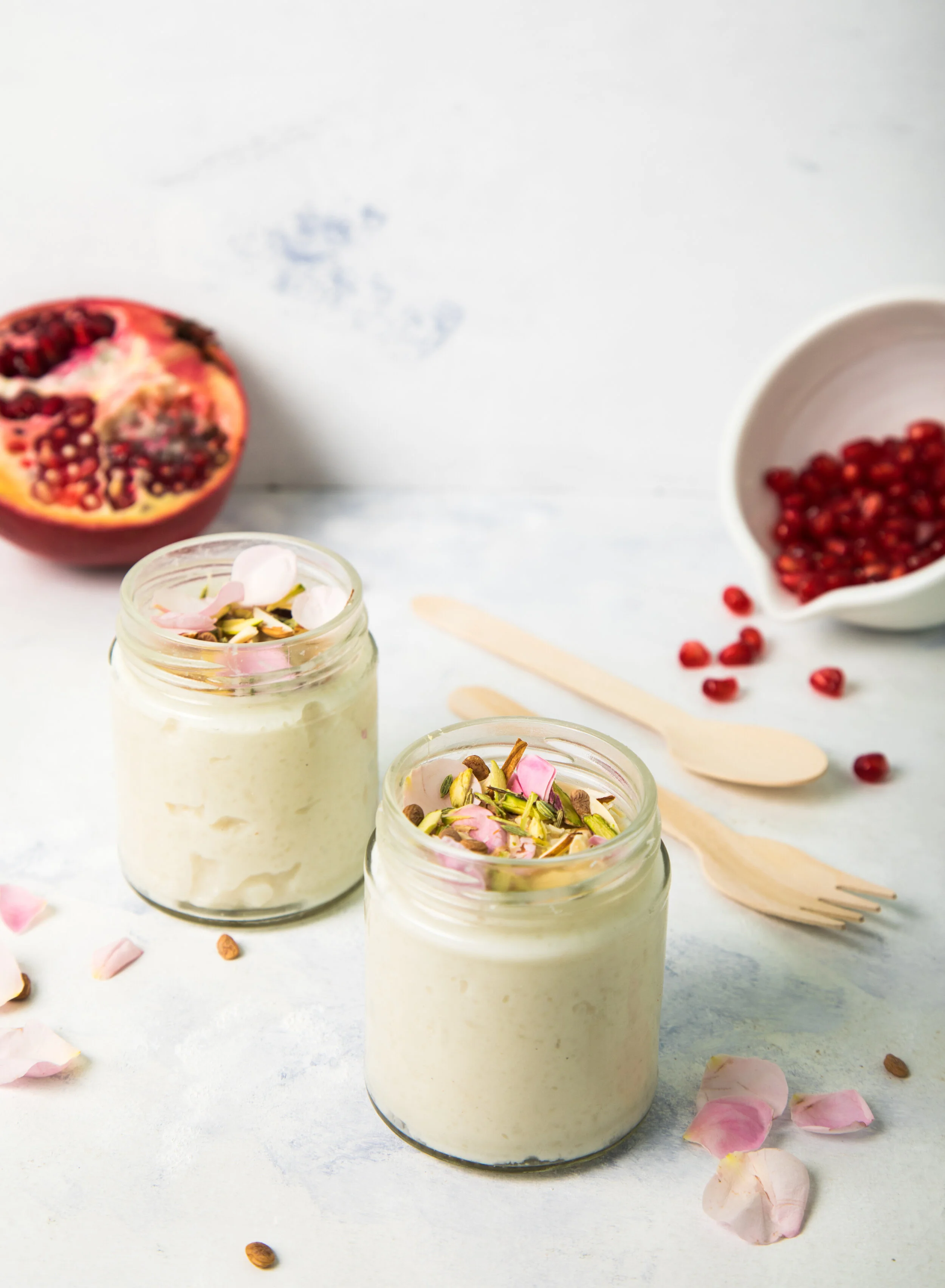
Probiotics help to support beneficial gut bacteria balance. The bacteria from the probiotics line the digestive tract and act as a defense against pathogens from passing through. Probiotics can help to reduce bloating, gas, and diarrhea by improving the bacteria balance in the intestines. Fermented foods are great probiotic food sources to help support a healthy gut microbiome. Fermentation is the process of a microorganism converting or breaking down a substance in a chemical reaction.

Gut health is extremely important for hormone function, digestion, detoxing pathogens, and absorbing nutrients. Digestion is the process from the moment we consume food to the moment the food is excreted. A large indicator of gut health is intestinal permeability. The intestine is where we absorb nutrients, and everything left behind will pass onto the colon and leave the body as stool. The intestine is lined with a single cell wall called lumen, and past the lumen is the bloodstream. This cell wall is thin so that it is easy to absorb nutrients, and contains tight junctions to keep out anything that is not a nutrient. If the junctions loosen up in the cell wall and become permeable, then larger substances like toxins can pass through the wall and into the bloodstream with the nutrients which cause damage. Certain gut healing foods can help support gut healing.

Gut health is extremely important for hormone function, digestion, detoxing pathogens, and absorbing nutrients. Digestion is the process from the moment we consume food to the moment the food is excreted. A large indicator of gut health is intestinal permeability. The intestine is where we absorb nutrients, and everything left behind will pass onto the colon and leave the body as stool. The intestine is lined with a single cell wall called lumen, and past the lumen is the bloodstream. This cell wall is thin so that it is easy to absorb nutrients, and contains tight junctions to keep out anything that is not a nutrient. If the junctions loosen up in the cell wall and become permeable, then larger substances like toxins can pass through the wall and into the bloodstream with the nutrients which cause damage. Certain compounds are found in supplements for gut healing that aid in reducing negative symptoms of digestion.

Your gut health and hormone are undeniably connected. If you are experiencing certain issues with your gut health it can affect your hormone balance. There are several connections between your gut health and hormones. Let’s go over 8 different ways there is a connection between gut health and hormones.

Digestion is the process in which we consume, break down, absorb, and excrete food. When this process is flawed in one or more of those areas it can cause issues like bloating, constipation, and gas. Luckily, certain teas for digestion and bloating can aid in restoring the digestive functionality. Here are 6 teas for digestion and bloating.