Cycle Phase Articles
NUTRITION, EXERCISE, & MINDSET FOR EACH CYCLE PHASE

The week before your period doesn’t have to be filled with bloating, mood swings, cravings, fatigue, or breast tenderness. What you eat during the luteal phase (the second half of your cycle) can make a big difference in how you feel—especially if you’re prone to PMS. Your body needs specific nutrients to balance hormones, reduce inflammation, and support progesterone. Let’s break down exactly what to focus on the week before your period for more ease and fewer symptoms.

If your luteal phase feels like the weak link in your cycle—short, symptomatic, or unpredictable—you’re not alone. Many women dealing with PMS, spotting before their period, or trouble conceiving are actually struggling with low progesterone levels during this second half of their cycle. The good news? There are natural, research-backed ways to support progesterone and build a stronger luteal phase—which plays a crucial role in implantation, pregnancy success, and hormonal balance.

The follicular phase is one of the four phases of the menstrual cycle. All the phases are important and have their own unique functions that impact hormones. The follicular phase starts from day one of your period and lasts until ovulation occurs. Remember that the menstrual phase part of the follicular phase. The duration that you bleed on your period is the menstrual phase. The follicular phase is unique because, during this time, your hormone and energy levels increase in anticipation for ovulation, which is where these levels will peak.
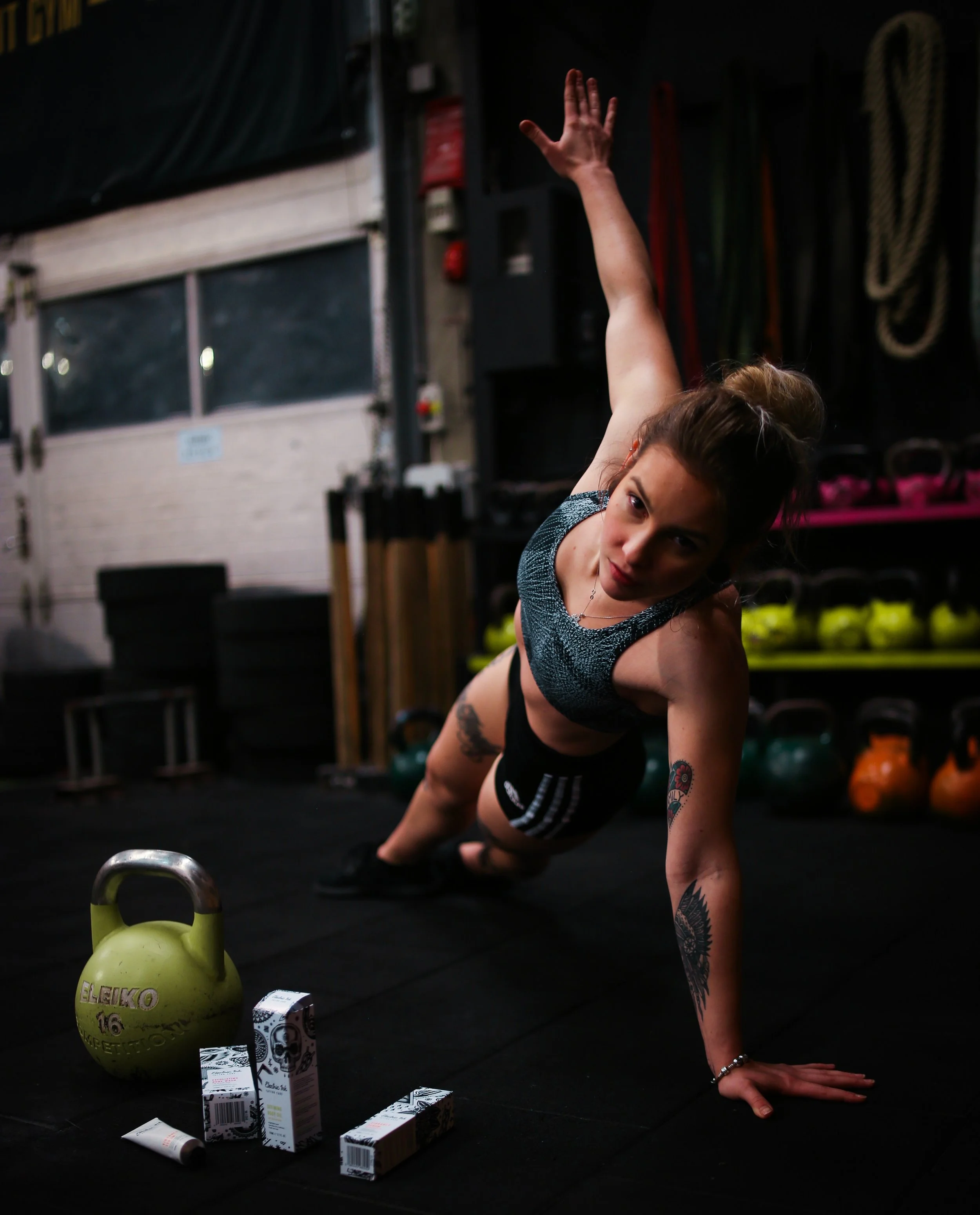
You may not have known that your hormonal variability throughout the month can impact how you exercise and performance outcomes. Surprisingly it can, and here we will discuss ways to prioritize exercise based on which phase of your menstrual cycle you are in.

The first day you start to have a full bleed is the start of your menstrual phase which is the first of four phases in your period. The period phase of your menstrual cycle should last 3-7 days on average. During the start of the menstrual phase, your progesterone and your estrogen are at their lowest point. Your uterine lining is shedding the build-up of tissue and blood from the endometrium. Your energy may be the lowest during this time and your period blood should be a bright or dark red (kind of like cranberry juice). You may still be experiencing some leftover PMS symptoms during the beginning of this phase, like cramps, moodiness, and sore breasts. Though these symptoms are common, if they are life-disrupting or if they cause you to dread your period each month, it may be time to dig a little deeper and decipher what is going on with your hormones. Extreme PMS symptoms are not normal because they are signals that something is wrong and imbalanced with your hormones.

Ovulation is the main event of the menstrual cycle. It occurs during the halfway point in the menstrual cycle for one day. Ovulation is when the egg gets released from the ovary into the fallopian tube to prepare for fertilization and pregnancy. Progesterone is the hormone that promotes pregnancy and ovulation, and if progesterone is low, then you may not be ovulating (pro meaning to upgrade and gesterone meaning pregnancy).

It is important to understand the 4 phases of the entire menstrual and what is going on in each one. The luteal phase is the last phase of the cycle. Learning about what is the luteal phase can help you understand your body and your hormones better.
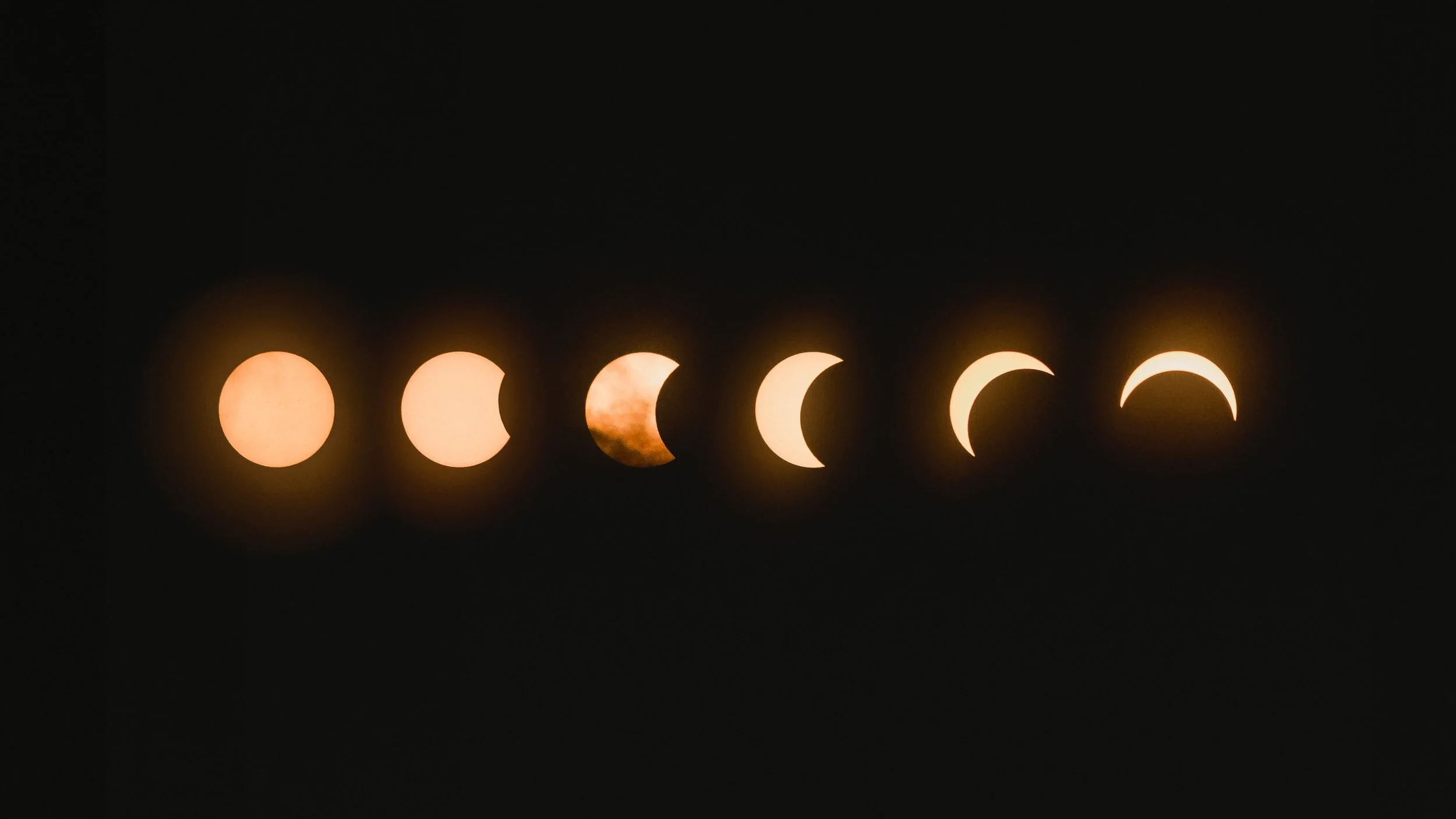
It is important to understand the 4 phases of the entire menstrual and what is going on in each one. The luteal phase is the last phase of the cycle. Learning about what is the luteal phase can help you understand your body and your hormones better.
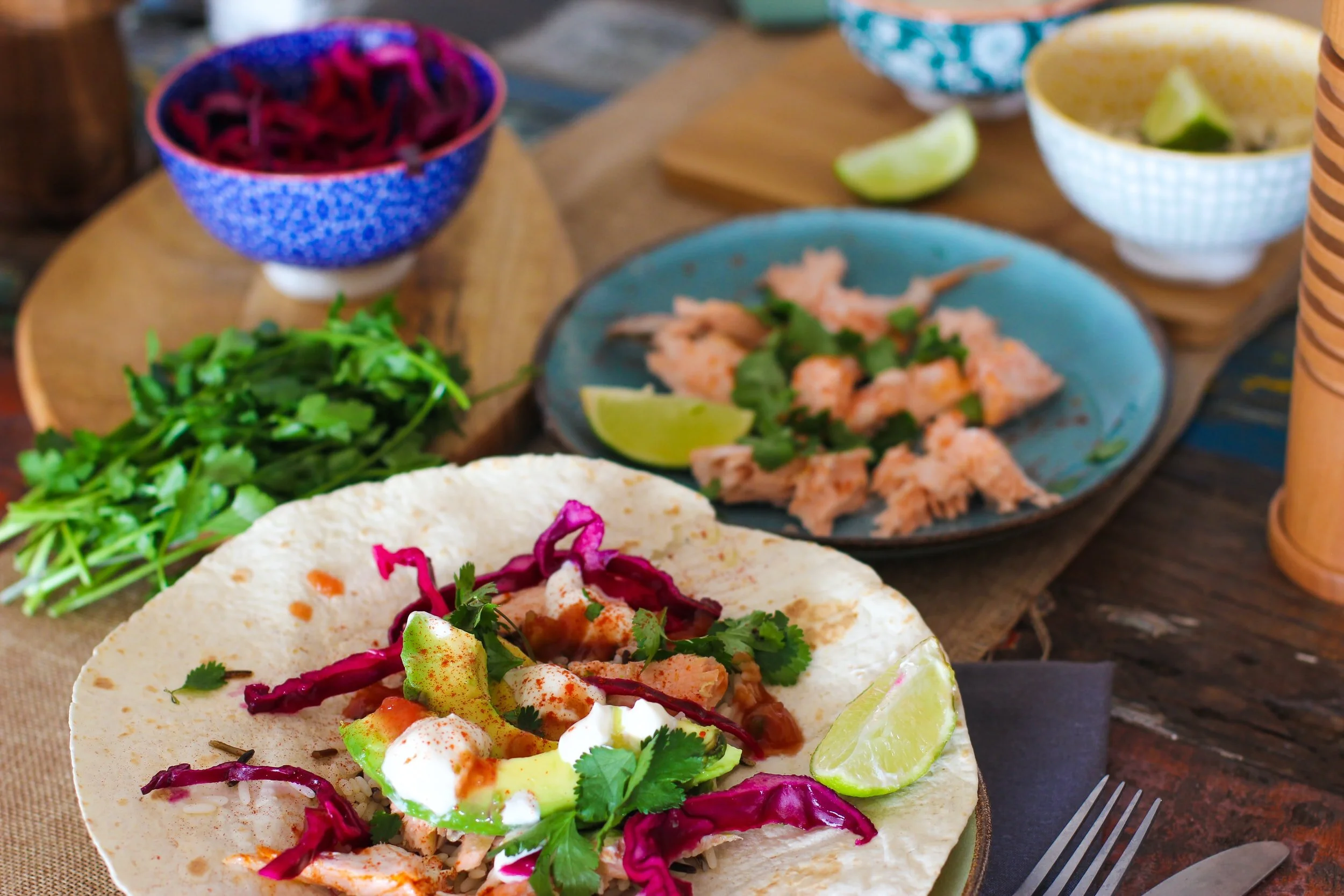
It is important to understand the 4 phases of the entire menstrual and what is going on in each one. The luteal phase is the last phase of the cycle. Learning about what is the luteal phase can help you understand your body and your hormones better.
It is important to understand the 4 phases of the entire menstrual and what is going on in each one. The luteal phase is the last phase of the cycle. Learning about what is the luteal phase can help you understand your body and your hormones better.

There are 4 phases of the menstrual that have different physical characteristics, hormone levels, and symptoms. Understanding what each phase is and what happens during it can help you understand your body more.

Ovulation takes place around halfway between 2 consecutive menstruations. After your period, your estrogen starts to rise during the follicular phase, the first half of your cycle. FSH (follicle-stimulating hormone) increases during the follicular phase to tell your ovaries to produce an egg and right before you ovulate you have an LH surge (luteinizing hormone) to tell your ovary to release the egg. Once you have ovulated your progesterone should kick in, rise, then peak. Just after ovulation your hormones peak. This is the time when your energy is the highest, you may feel like doing more things, maybe you’re more social during this time.

Ovulation takes place around day 13-15 of your cycle, it is the halfway point between two consecutive periods. During ovulation, your hormones are the highest at this time. After your period your estrogen starts to rise during the follicular phase, the first half of your cycle. FSH (follicle-stimulating hormone) increases during the follicular phase to tell your ovaries to produce an egg and right before you ovulate you have an LH surge (luteinizing hormone) to tell your ovary to release the egg. Once you have ovulated your progesterone should kick in, rise, then peak. Just after ovulation your hormones peak. This is the time when your energy is the highest, you may feel like doing more things, maybe you’re more social during this time. To support this time of the month, it is important to be consuming the right foods to eat during ovulation.
What is up with your hormones during your menstrual phase? Your menstrual phase is when you are on your period, starting with day 1 of your period through when you finish bleeding (usually around 4-7 days). Your hormones are at their lowest during this phase.