PMS Articles
how to actually get rid of your PMS symptoms

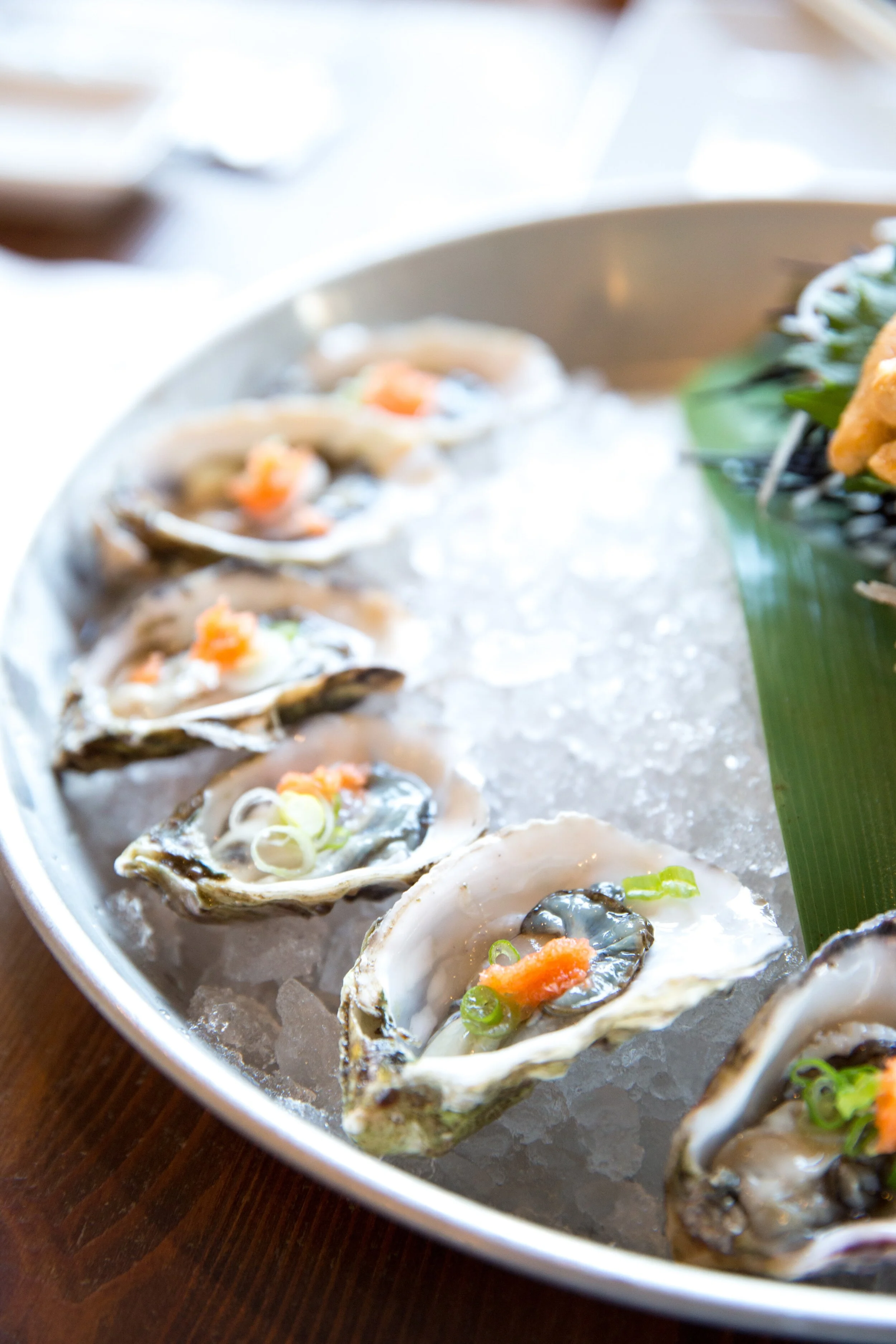
The week before your period doesn’t have to be filled with bloating, mood swings, cravings, fatigue, or breast tenderness. What you eat during the luteal phase (the second half of your cycle) can make a big difference in how you feel—especially if you’re prone to PMS. Your body needs specific nutrients to balance hormones, reduce inflammation, and support progesterone. Let’s break down exactly what to focus on the week before your period for more ease and fewer symptoms.
There are many different causes behind why one might struggle with facial acne, which is what makes skincare so confusing for some. One of the causes of acne is hormone imbalances. When you have an overproduction of oil on your skin this can trap bacteria and dead skin cells in a gland on the surface of the skin which causes inflammation and acne. This overproduction of oil can be regulated through your hormones specifically, androgens. Androgens like testosterone and DHEA convert to form DHT which is an enzyme that can increase oil production in the sebaceous glands, the glands that produce oil. Blood sugar imbalances are often a root cause behind elevated testosterone levels, and stress is often the root cause behind elevated DHEA levels. Additionally, around the middle of your cycle near ovulation, testosterone levels will peak so it is common to note if you have acne specifically around this time. If you struggle with hormonal acne, here are 10 natural remedies for hormonal acne.

There are many reasons why periods hurt. While period cramps are definitely common, that doesn’t mean that they are normal. Any sort of pain is a sign from your body to investigate that something is not working properly or that something is out of balance.
Endometriosis is an extreme and intense form of period pain, and it requires a medical diagnosis and treatment. This condition has life-disrupting pain characterized by a growth of uterine tissue somewhere else in the body. To help uncover why periods hurt you need to learn about hormone imbalances and stress. These are the two main causes for why periods hurt.

In each pore of our skin, we have sebaceous glands that produce sebum, an oil-like liquid, which helps to moisturize and protect our skin. When too many dead skin cells collect on the top of the skin in conjunction with high amounts of sebum, this can create a clog in our sebaceous glands and will result in inflammation. Our body will respond to this inflammation by sending white blood cells to the site of the clog which forms the white-headed pimples called acne. Imbalance hormone levels can impact the amount of oil we produce which causes hormonal acne.

PMS stands for premenstrual syndrome which is defined as life-disrupting physiological and psychological changes in the luteal phase of the cycle. Symptoms include cramps, bloating, headaches, nausea, fatigue, and mood swings. After the menstrual cycle begins, symptoms typically disappear. PMS can be predicted due to hormone imbalances with estrogen and progesterone, specifically high estrogen and low progesterone. During the start of the luteal phase, which occurs after ovulation, progesterone is increasing, but if pregnancy doesn’t happen, progesterone will drop by the end of the phase. This drop-in progesterone may be more extreme for some women and this causes estrogen to increase rapidly. Additionally, this hormone imbalance can be caused by other factors such as stress. This extreme shift in hormone levels could be the cause of PMS symptoms. There is a solution though because are so many nutrients are herbs that make up the natural PMS remedies.

There are many reasons for heavy painful periods. While period cramps and heaviness are definitely common, that doesn’t mean that they are normal. Any sort of pain is a sign from your body to investigate an imbalance in the body.
Endometriosis is an extreme case of period pain and requires a medical diagnosis. This condition has life-disrupting period pain and heaviness characterized by a growth of uterine tissue somewhere else in the body.
A heavy period consists of...
1. A period lasting longer than 7 days
2. Losing more than 80 mL of blood per cycle (or 16 regular tampons or pads)
3. Changing tampons or pads every hour or two
4. Needing to double up on period protection products
5. Having to wake up to change your tampon or pad in the night
6. Planning activities around your heavy period
7. Blood clots the size of a quarter or bigger

Omega-3s are a type of essential fatty acid; essential means we must get it from food because our body isn’t able to make it itself. Omega 3s are forms of healthy polyunsaturated fats. There are 3 main types of omega-3s: DHA, EPA, and ALA. The usable form that the body needs is DHA and EPA – the best food sources are fish like salmon, mackerel, trout, and sardines. Microalgae is really the only good plant-based source of DHA/EPA, and it can be found in supplemental form.
While we hear about omega-3s in nuts and seeds like chia seeds, flaxseeds, and walnuts, this is the ALA form of omega 3s. ALA is not readily used in the body as is, it must be first converted into DHA and EPA but this conversion percentage is very low, about 10%, so it is more beneficial to consume omega 3s in the DHA and EPA form. Here we will talk about all of the benefits of omega 3s.

During the start of the luteal phase, which occurs after ovulation, progesterone is increasing, but if pregnancy doesn’t happen, progesterone will drop by the end of the phase. This drop-in progesterone may be more extreme for some women and this causes estrogen to increase rapidly. Additionally, this hormone imbalance can be caused by other factors such as stress. This extreme shift in hormone levels could be the cause of PMS symptoms. There is a solution though because here is a list of 17 foods for PMS.
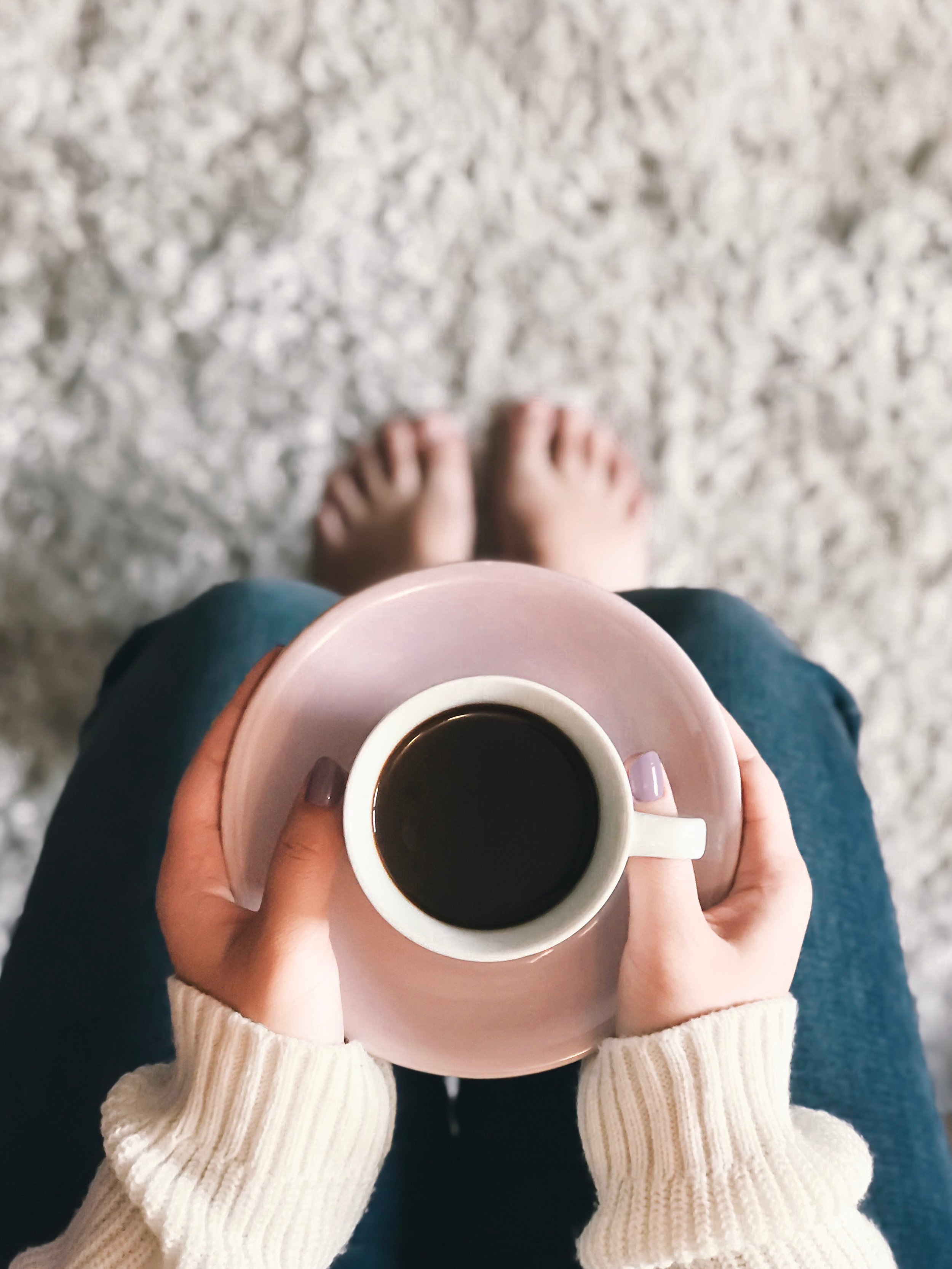
There are many reasons for painful periods. While period cramps are definitely common, that doesn’t mean that they are normal. Any sort of pain is a sign from your body to investigate that something is not working properly or something is out of balance. Though many women love to curl up on the couch with a certain comfort snack to help cope with the pain, many of these beloved snacks actually may contain foods that make cramps worse, and your overall period experience worse. While you can definitely enjoy these foods, it’s important to understand which foods may make your cramps worse so you can make connections between the foods you eat and the symptoms you experience.

There are many reasons for period pain. Examples of period pain include menstrual cramps headaches, tender breasts, and even back pain. While these types of pain are definitely common, that doesn’t mean that they are normal. Any sort of pain is a sign from your body to investigate that something is not working properly or something is out of balance.
Endometriosis is an extreme case of period pain and requires a medical diagnosis. This condition has life-disrupting period pain characterized by a growth of uterine tissue somewhere else in the body.

Stress can worsen or contribute to PMS. This is because stress can delay ovulation, which can impact progesterone production. PMS symptoms can often be linked to imbalances in estrogen and progesterone. Progesterone has anti-anxiety effects due to its relationship with GABA, your natural relaxation mood chemical. It is important to understand ways to reduce stress and PMS symptoms because they are so tightly linked together.

It is important to understand the 4 phases of the entire menstrual and what is going on in each one. The luteal phase is the last phase of the cycle. Learning about what is the luteal phase can help you understand your body and your hormones better.
Period nausea can be a symptom you experience before or on your period. The period nausea is triggered by the elevation in prostaglandins, which are inflammatory compounds that increase right before your period to help with shedding the uterine lining (your period). High prostaglandins can mean more period pain and can also contribute to period nausea. Imbalances in estrogen or progesterone can lead to prostaglandin imbalances because all the reproductive hormones are connected. Stress is also a predictor of prostaglandins, because cortisol can be inflammatory as well.

Having a toolkit of hacks for your period cramps can make that time of the month more fulfilling. Remember, while period cramps are definitely common, that doesn’t mean that they are normal. Any sort of pain is a sign from your body to investigate that something is not working properly or something is out of balance.

It is important to understand the 4 phases of the entire menstrual and what is going on in each one. The luteal phase is the last phase of the cycle. Learning about what is the luteal phase can help you understand your body and your hormones better.
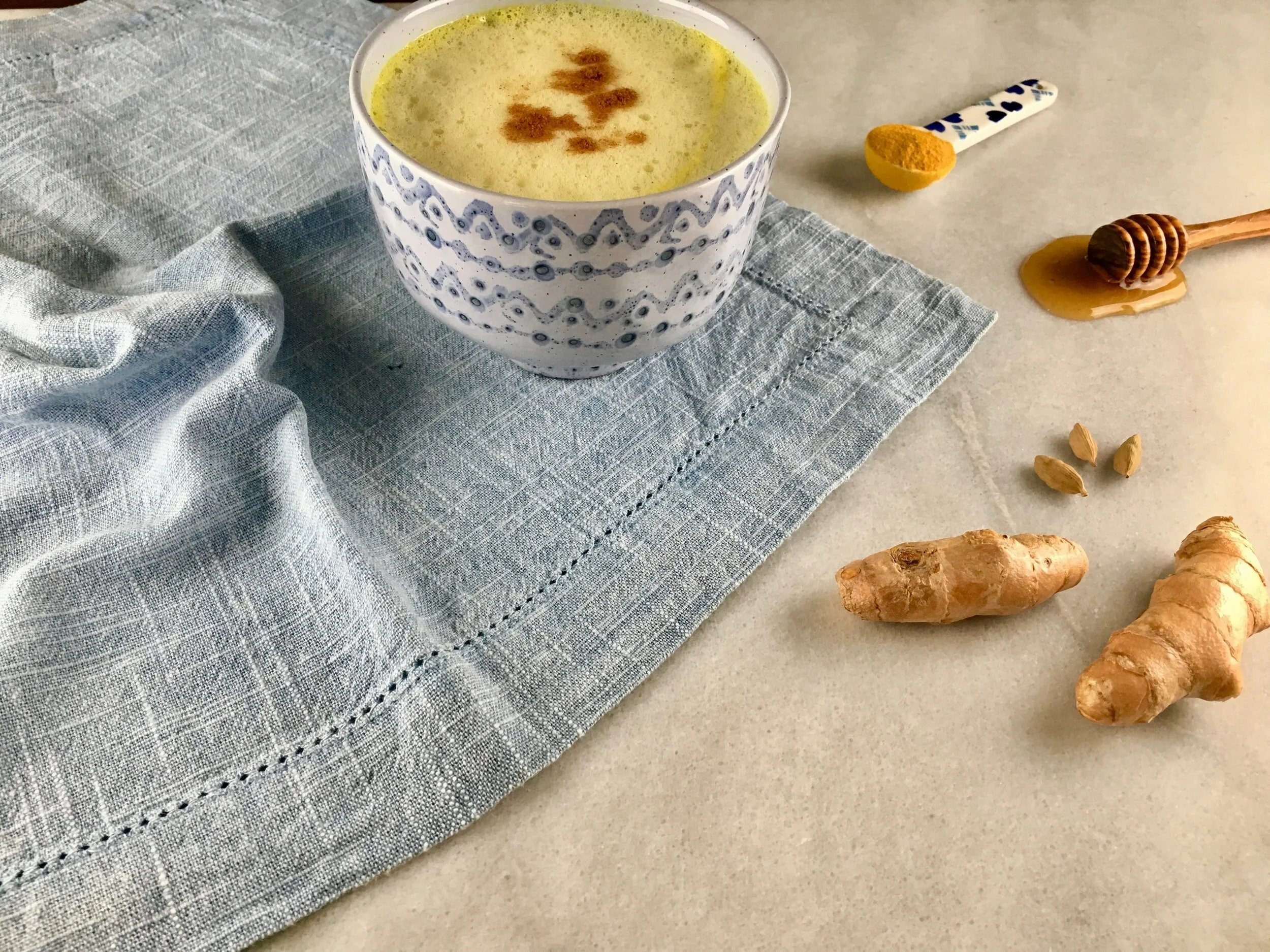
It is important to understand the 4 phases of the entire menstrual and what is going on in each one. The luteal phase is the last phase of the cycle. Learning about what is the luteal phase can help you understand your body and your hormones better.

It is important to understand the 4 phases of the entire menstrual and what is going on in each one. The luteal phase is the last phase of the cycle. Learning about what is the luteal phase can help you understand your body and your hormones better.
Period nausea can be a symptom you experience before or on your period. The period nausea is triggered by the elevation in prostaglandins, which are inflammatory compounds that increase right before your period to help with shedding the uterine lining (your period). High prostaglandins can mean more period pain and can also contribute to period nausea. Imbalances in estrogen or progesterone can lead to prostaglandin imbalances because all the reproductive hormones are connected. Stress is also a predictor of prostaglandins, because cortisol can be inflammatory as well.

Period fatigue can often occur either in the week before your period during the luteal phase or during your period. It is caused by hormone imbalances and exhaustion in your adrenal glands due to the overproduction of cortisol. There are certain nutrition & lifestyle modifications you can make to support the body and manage your stress response. In some cases, certain supplements may be helpful. Work with your healthcare provider to determine what may be helpful for you. Here are 20 ways to help period fatigue.

Prostaglandins are the reason we can get period cramps. Prostaglandins are hormone-like substances that the body releases around menstruation that cause the uterus to contract to shed the lining. They are involved in pain and inflammation. High levels of prostaglandins can mean more severe pain. There are a couple of major problems with downing ibuprofen and waiting it out with a heating pad. One is just that it interferes with your time, mood, and energy to be suffering in pain. And prolonged use of NSAIDs (nonsteroidal anti-inflammatory meds like ibuprofen) can seriously affect your gut over time. Poor gut health is just going to add more fuel to the fire of your symptoms. Here are 11 remedies for period cramps.

Having a toolkit of hacks for your period cramps can make that time of the month more fulfilling. Remember, while period cramps are definitely common, that doesn’t mean that they are normal. Any sort of pain is a sign from your body to investigate that something is not working properly or something is out of balance.

In each pore of our skin, we have sebaceous glands that produce sebum, an oil-like liquid, which helps to moisturize and protect our skin. When too many dead skin cells collect on the top of the skin in conjunction with high amounts of sebum, this can create a clog in our sebaceous glands and will result in inflammation. Our body will respond to this inflammation by sending white blood cells to the site of the clog which forms the white-headed pimples called acne. Hormonal acne is a common symptom of PCOS and can be reduced by balancing out hormones.

There are many reasons for painful periods. While period cramps are definitely common, that doesn’t mean that they are normal. Any sort of pain is a sign from your body to investigate that something is not working properly or something is out of balance. Endometriosis is the extreme case of period pain, and requires medical diagnosis. This condition has life disrupting period pain characterized by a growth of uterine tissue somewhere else in the body. Here are 12 reasons for painful periods.

Is PMS normal? is a common question, especially because so many people experience it. PMS is actually not normal, but it is common so that’s why so many people write it off as normal. Pain is never felt without a trigger. PMS stands for premenstrual syndrome which is defined as life-disrupting physiological and psychological changes in the luteal phase of the cycle, or the second half of your cycle. After the menstrual cycle begins, symptoms typically disappear. Here are 6 reasons that can lead to PMS, showing that PMS is not normal, but rather a symptom of a potential imbalance in the body.
When it comes to an irregular period, managing stress will take precedence over producing our sex hormones. Our body's stress response places negative effects on our hormones which leads to imbalances. In order to have a regular menstrual cycle, your hormones need to be balanced and released at the correct time each cycle. A missed period, heavy bleeding, excess cramps, and anovulation are all signs something is wrong with your hormones and it may be caused by stress. A lot of the symptoms associated with stress and your period is due to the impact of stress on ovulation, affecting progesterone production, and resulting in estrogen dominance.

Heavy periods can be a huge burden on your daily life and can make the time of month very stressful. In addition, heavy periods can be a signal that something deeper is going on the body. Any physical symptom that is outside of the norm, should always be looked into because it can be a sign that there is an imbalance in the body. If you want to know how to stop heavy periods naturally, here is a list below to help you out.

PMS stands for premenstrual syndrome which is defined as life-disrupting physiological and psychological changes in the luteal phase of the cycle (the second half of the cycle after ovulation). Symptoms include cramps, bloating, headaches, nausea, fatigue, and food cravings. After the menstrual cycle begins, symptoms typically disappear. It is important to uncover why you have PMS food cravings.

Having a toolkit of hacks for your period cramps can make that time of the month so much more fulfilling. Remember, while period cramps are definitely common, that doesn’t mean that they are normal. Any sort of pain is a sign from your body to investigate that something is not working properly or something is out of balance.
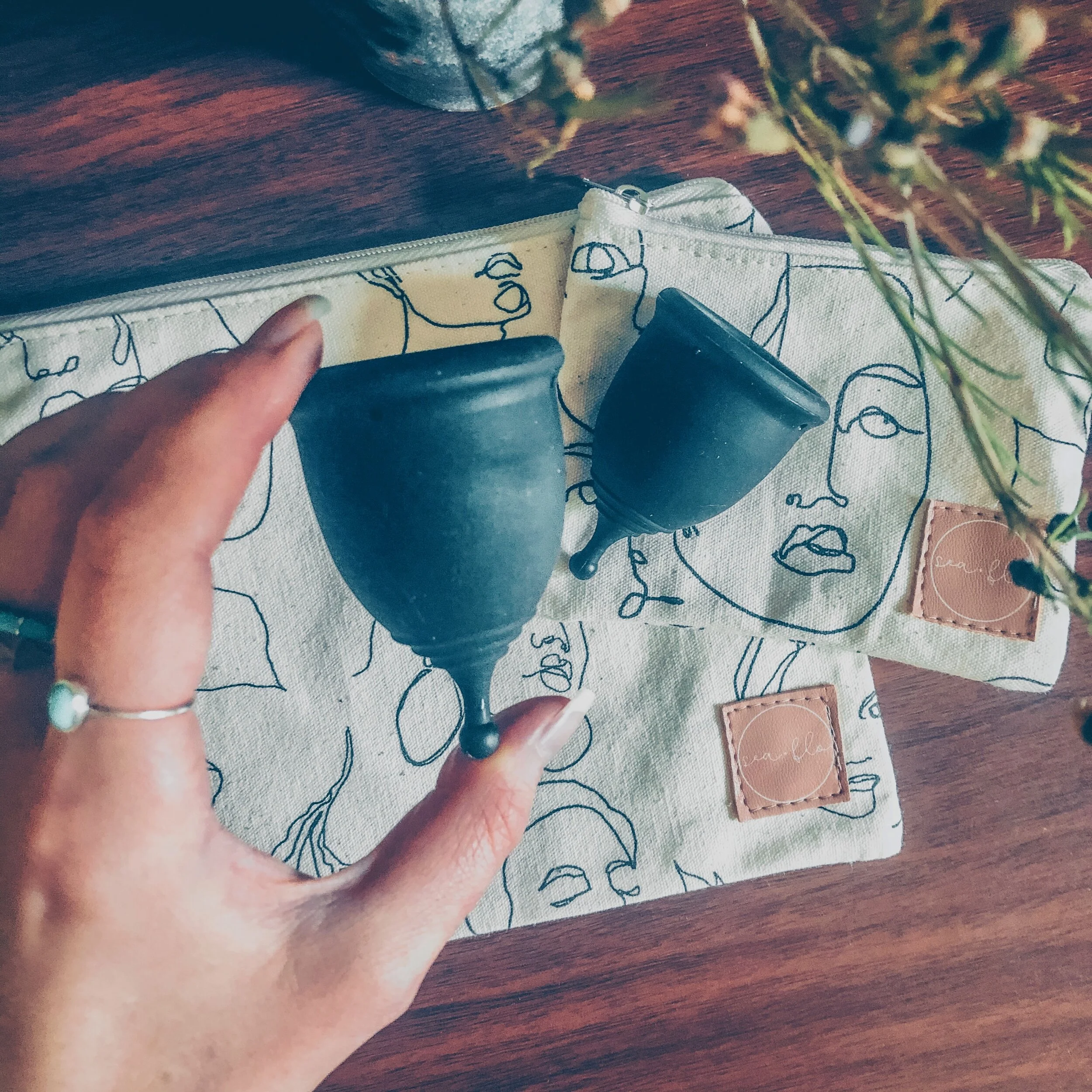
A menstrual cup is a silicone rubber cup that you insert in your vagina during menstruation as a natural alternative to tampons or pads. Let’s review the top benefits for swapping out your traditional period products for a menstrual cup.
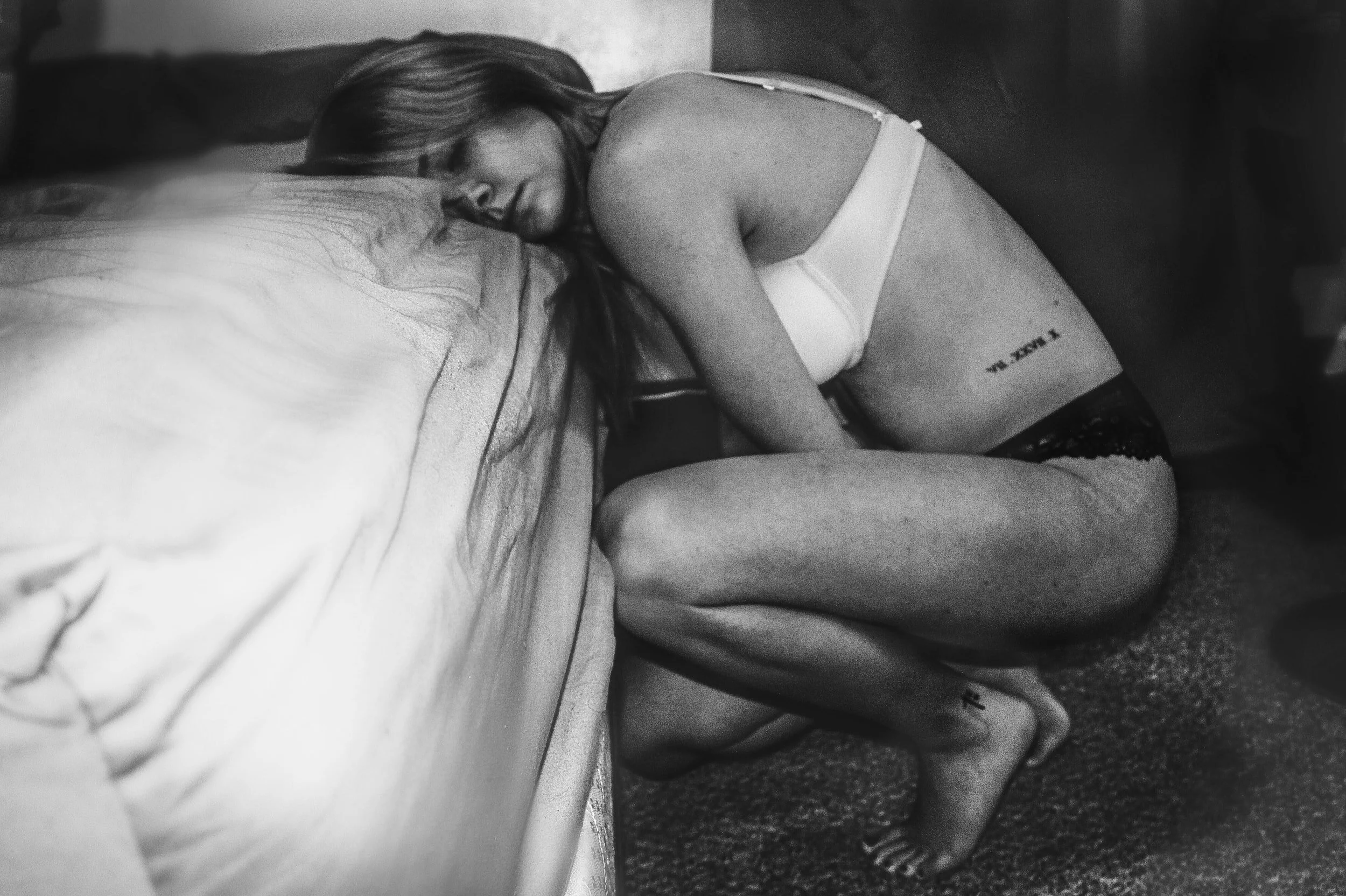
Period nausea can be a symptom you experience before or on your period. The period nausea is triggered by the elevation in prostaglandins, which are inflammatory compounds that increase right before your period to help with shedding the uterine lining (your period). High prostaglandins can mean more period pain and can also contribute to period nausea. Imbalances in estrogen or progesterone can lead to prostaglandin imbalances because all the reproductive hormones are connected. Stress is also a predictor of prostaglandins because cortisol can be inflammatory as well.